José James on Ode to 1978 and performance at Denver Jazz Fest with John Coltrane Tribute

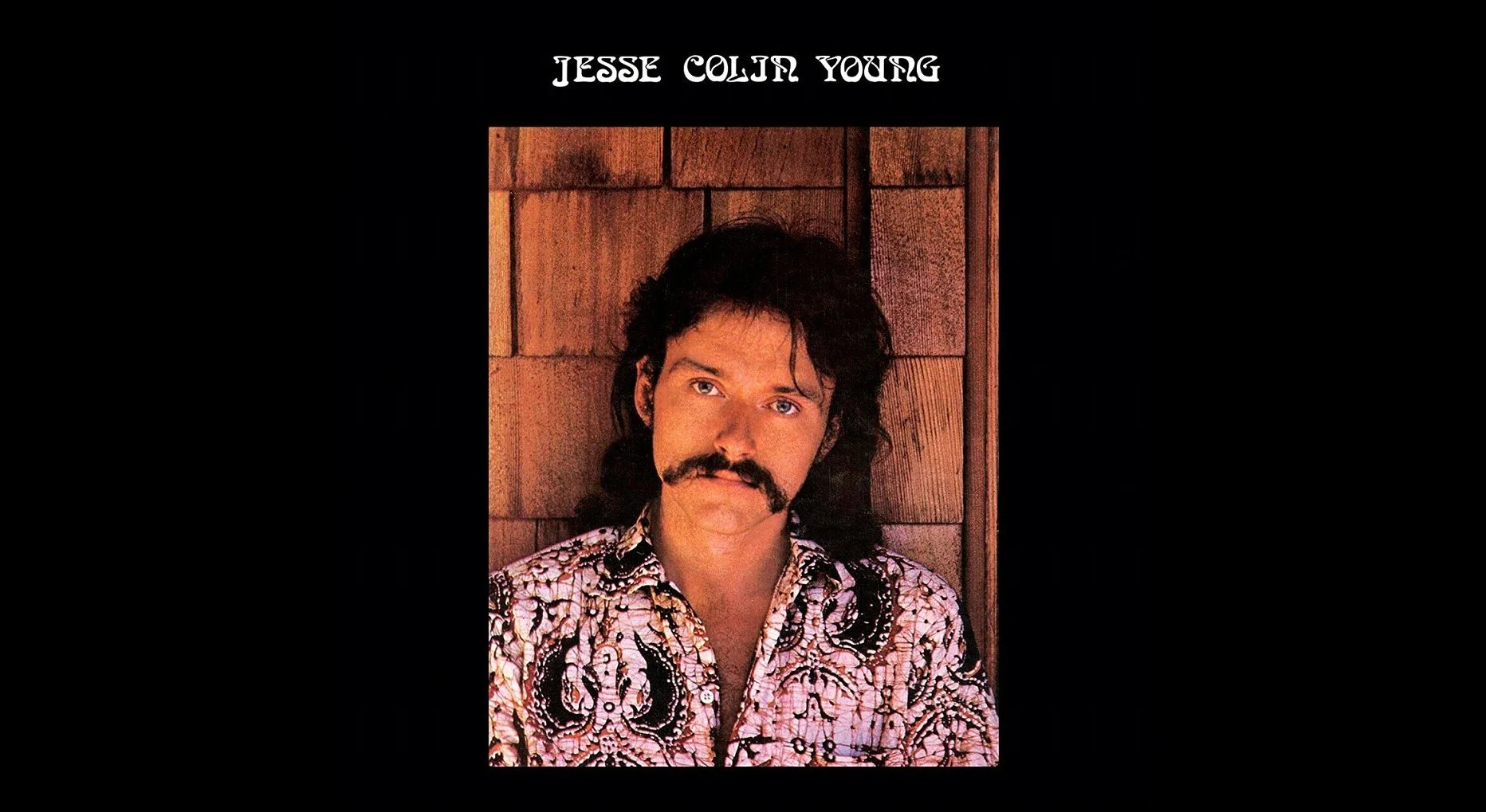
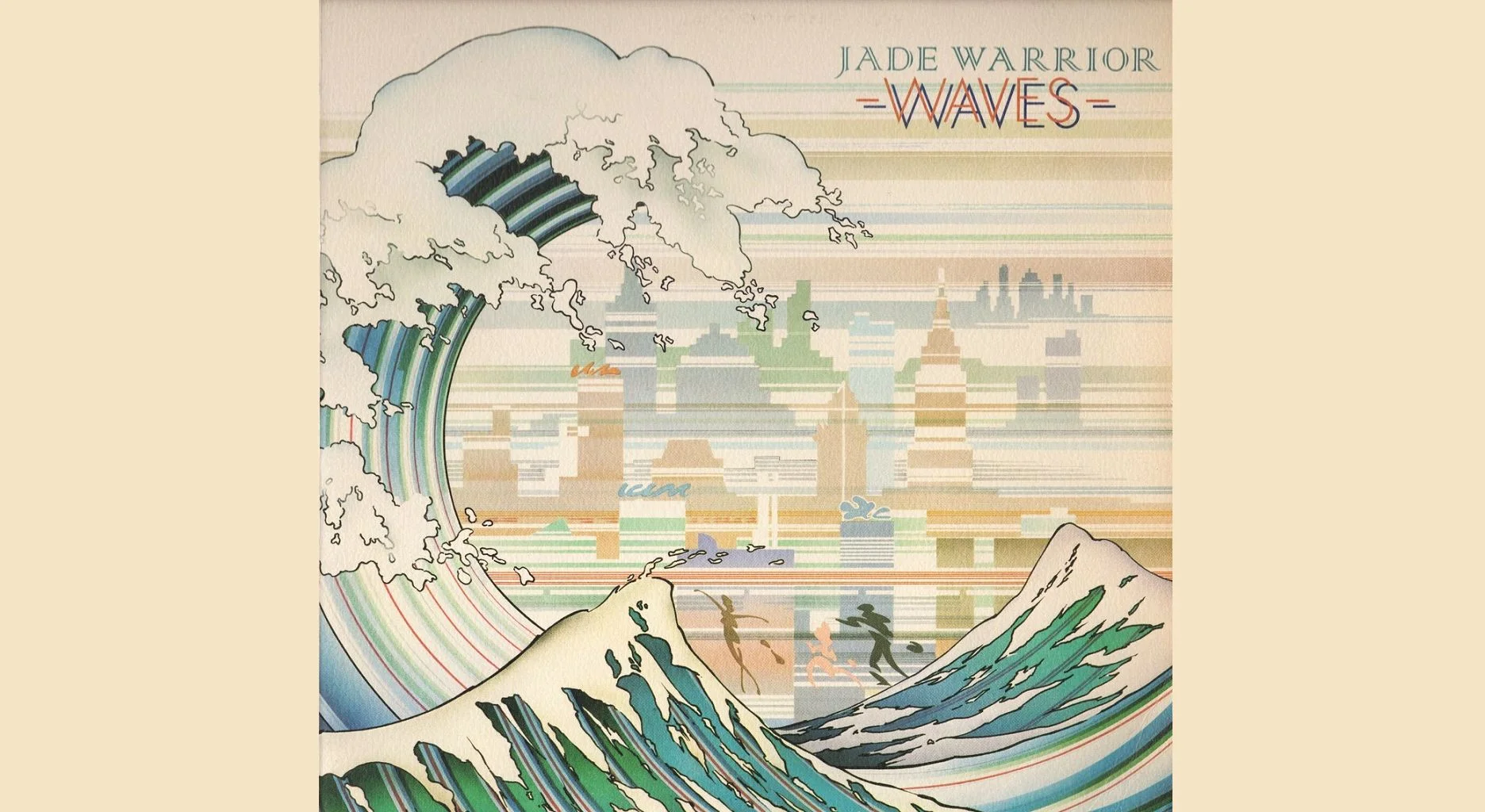
In 2025, José James brought us the second installation of his 1978 album series, this time blending NYC grit and Kung-Fu spirit along with the music of his birth year. From his Bill Withers album Lean on Me to his Erykah Badu tribute On & On, he has a real gift with bringing care and innovation to the catalogs he loves, so why not dive into the songs he started his earthly journey with? José James brings a modern touch to these classics alongside sharing his own compositions on 1978: Revenge of the Dragon:
“I think we are very, as people, as human beings, informed by what we emerged into in terms of society, politically, culturally, socially, musically, you know, what was on the radio as a kid. Those things, we don't think about it until we become parents. And then we're just like rushing to surround our kids with great music, Marvin Gaye and Stevie Wonder and Roberta Flack, you know. So I started thinking, yeah, like, what was on the radio when I was a kid? What was, what did I emerge into culturally? So it was that fascination. And then the thing about this kind of period, '76 to '79, roughly, it was like the sort of last big moment of bands. You had to be in a band. It was very live, regardless of genre. Everything was recorded live to tape. And '78 in particular is such a melting pot year for me. It's like you've got the rise of punk rock. You've got the global emergence of reggae with Bob Marley and the Wailers. All of a sudden, it's like, wow, that sound is huge. Hip hop is just sort of beginning, in New York and that DJ culture. And of course, you have like singer-songwriters like James Taylor, Elton John, and Billy Joel, like kind of hitting these big peaks, Stevie, obviously, and then all these jazz figures who had sort of survived ‘50s, ‘60s. And we're not like Herbie Hancock, were now experimenting or Donald Byrd. So to me, it's kind of a fascinating moment because a lot of the work was done in the same studio, sometimes the same musicians would be on each other's things. And it was sort of like the last moment of like an analog melting pot before it all split into digital. I don't have any problem with digital, but it's just interesting. It's just interesting to think like, wow, like punk rock and Herbie had to use the same technology to record. You know what I mean?”
José James is set to return to Denver for the Denver Jazz Festival April 11 at Cleo Parker Robinson Dance sharing the music of one of his icons, the great saxophonist and jazz luminary John Coltrane. This visionary project is called Facing East: The Music of John Coltrane. Though he just exclusively released these arrangements and songs with his own lyrics to Bandcamp, these songs have been floating in his psyche and part of his repertoire for as long as he could remember:
“I started listening to jazz seriously from the age of 14. And I followed it in a, which I highly recommend, in a chronological way. So, from Louis Armstrong up, so that every, every new layer just hits hard. You're like, you experience it in real time. So, when I got to Coltrane, it was like, hit me like a ton of bricks. It was like, wow. Like, and I was just obsessed. So when I was 17 years old, that summer, I spent the whole summer writing lyrics to his solo of Equinox, his minor blues, early Coltrane. And I started performing it. And that really sort of was the first thing, I think the first thing I ever wrote with words. Actually, I didn't realize that. Yeah. I was writing poetry and stuff like that, but then putting it together with his complex, you know, the whole thing was cool. It's his centennial, of course. So I wanted to honor him for that, but he just, he wasn't accepted right away. You know, like we look at him now like, oh yeah, the master of the legend, but it's like, it took him a long time to be accepted, even within jazz. I mean, I only mean like commercially or critically, a lot of people were like, this dude can't play. You know, it was too much and only people like, Johnny Hodges and Thelonious Monk and then Miles Davis were able to really hear his gift and give him time to cook. And so, I love that because he is really a product of the greats of his time. He did these apprenticeships with masters, and then he got his own thing. And even then, people were like, oh. I don't like it. You look back at the reviews and they're harsh. They're really harsh. I just admire that level of dedication. And when you look at his life and his output as a leader, he actually had a very short run, you know, compared to like most people. You know, he died very young, early 40s. I think he was 41 years old or something when he passed away. So, to be able to get to that level and have such impact, is really inspiring. To me, he's the one within contemporary music who really was able to say, I'm going to make music that's an expression of my faith, that's not religious. It's just my connection to the universe, the divine. and put that into musical form and make a lot of money and have it be commercially successful. I mean, that like, wow."
Dig further into the conversation above and hear what José James’ perspective is on being a contemporary jazz musician, more reflections on the music of 1978, and how his time touring with McCoy Tyner further helped him understand the work and legacy of the illustrious John Coltrane.
Video Production: Weston Wilkins, Radio Multimedia Producer
Stay connected to KUVO’s programs and our community! Sign up for the Oasis E-News today!