Behind the Mic: Native Lens Symposium

Native Lens is hosting their inaugural Native Lens Symposium in partnership with the Colorado Office of Film, Television, and Media on June 28 and 29 in Durango, Colorado.
Bringing together film professionals from the Four Corners region and throughout Indian Country to present sessions on topics for professional, aspiring, and hobby Indigenous filmmakers, alike, this symposium offers two days of panels, master classes, filmmaking, with session topics like Introducing the Industry, Indigenizing Storytelling Forms, Finding Funding and Developing a Proposal, and more.
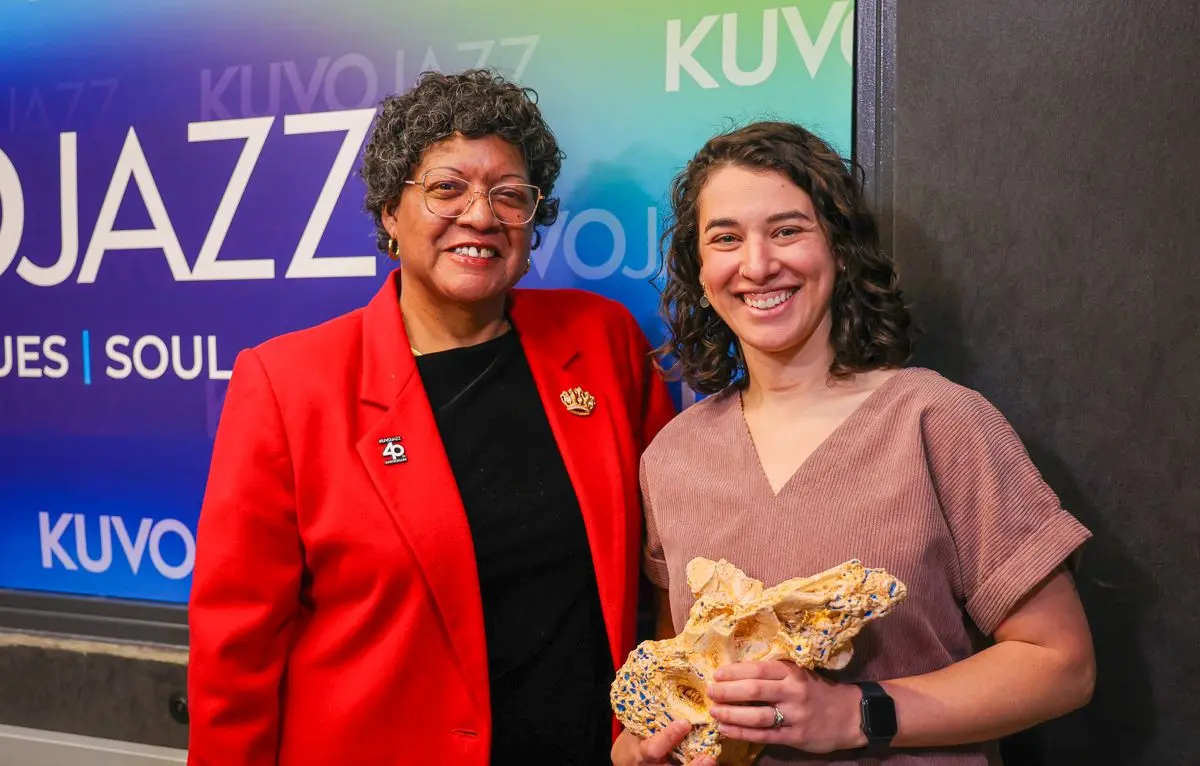
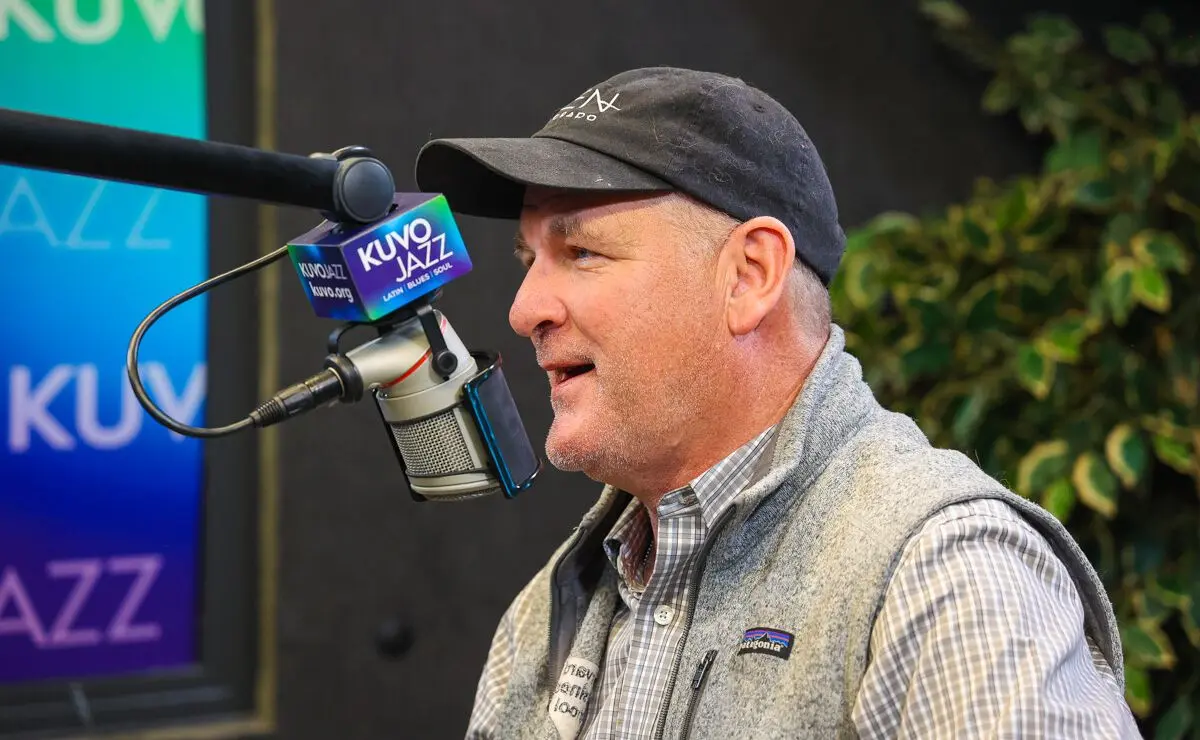
The Morning Set’s Abi Clark spoke with Colleen Thurston, their project manager, to get the details about this inaugural symposium in Southern Colorado, which aims to provide networking opportunities and industry insight for Indigenous filmmakers in our state.

You can visit their website’s landing page to register and find out more about the Native Lens Symposium.
This portion of the interview above has been edited for length and clarity:
Colleen: I've been one of the point people for the Symposium since we started conceiving it with the Colorado Film Office. This is the first Symposium. It's totally new for us. We have previously held the Native Lens Media Fellowship, which has been training initiatives for emerging filmmakers and storytellers, and this year we decided to put a pause on our media fellowship and focus on training and career development through another avenue.
Abi: Exciting. I mean, this is the work that you're doing year round through Native Lens. You're celebrating and amplifying these Indigenous voices and teaching them, showing them the ways to do it. So it's only a natural fit that you're trying to reach Colorado and Four Corners filmmakers through the Symposium.
Colleen: Yeah, absolutely. That's exactly it. I mean, since we started the training initiatives with Native Lens, we've had such great feedback and community participation that when the Colorado Office of Film, Television and Media came to us and proposed that we work with them to put on a symposium, it seemed like the natural next step.
Abi: So this is a two day event. It's happening Friday and Saturday, June 28th and 29th in Durango. Is that where Native Lens is based?
Colleen: Native Lens is based in the Durango and Ignacio areas. We are headquartered out of the Tribal Media Center in Ignacio on the Southern Ute Reservation. Predominantly, we all work remotely, but when we come together, it's typically there in Durango.
Abi: Okay, great. So you'll be inviting not only filmmakers in the area, but ones in the Four Corners traveling in. Have you had a lot of RSVPs so far from filmmakers?
Colleen: Yeah, we initially thought about trying to keep this very manageable on the smaller side, it's the first time we've done an event like this. So it is very much tailored to filmmakers within the area. We do have filmmakers coming in from New Mexico and then also from within Colorado. We also have a couple of people flying in to join us that are representing more of the larger industry as well. But I'm really excited to see a lot of folks RSVPing, especially within Southern Colorado.
Abi: That's exciting. And the description says it's open to anybody, whether they're already working in the field, professional, whether they want to get into it or they just love it so much that it's like a passionate hobby of theirs.
Colleen: Absolutely. Our kind of focus demographic is Indigenous filmmakers or people that are interested in filmmaking. But yeah, anyone that is a supporter or interested in the business or wanting to learn more about filmmaking from an Indigenous perspective, everyone is welcome to join.
Abi: Can you talk a little bit about filmmaking from an Indigenous perspective?
Colleen: Yeah, absolutely. I mean, this is going to be the topic of our opening session on Saturday morning. So we're really excited to kind of ground the weekend and ground the conversation in these ideas of filmmaking from an Indigenous perspective. And honestly, that depends on the filmmaker. That depends on the geographic area, that depends on the tribal community, but we want to explore all of those. For example, we can talk about using traditional Indigenous storytelling forms, which might not be a three act structure, which might be more non-linear or cyclical in nature. And then we also plan on talking about when you're filming on tribal land, how do you work with tribal communities? And some Tribal Nations might require that you get permission from Tribal Council or other forms of governance before you film there. And what does it look like to work in consultation and collaboration with community and really putting community first in production. So those kinds of ideas are kind of the basis of this conversation.
Abi: It's exciting that you have two full days ready to go for folks to come in and learn Indigenous filmmakers, to talk to people in the industry, to really further their skills. What kinds of things are you really most excited about as you've been planning these two full days of activities?
Colleen: I'm really excited about the diversity of programming. We do have the panels and then we also have industry round tables at lunch. So this is going to be an opportunity for some of our industry representatives. We have folks coming in from the Sundance Institute, from Vision Maker Media who funds public media content and films. We have attorney and legal counsel. We have film festivals. And so participants can then join for round tables with these industry professionals and learn a little bit more about, oh, how do I apply for a grant from Sundance? Or, what are you looking for when you program for your film festival? Or, I have a question about intellectual property. And just getting these more one-on-one informal yet industry centric networking, conversational opportunities. I'm very excited about that. And then also, we have two screenings, which I think are going to be great, and just an opportunity to celebrate Native film. We have Haudenosaunee filmmaker, Paige Bethann, is coming in on Saturday to share her film Remaining Native, which premiered at South by Southwest and has won awards at various film festivals since then, and to kind of talk through her processes filmmaking. Kino Benally is a composer that worked on that film, that scored it. And so he'll also be joining the conversation about working in music for film. So really excited about Paige's screening of Remaining Native and just bringing people together and community in to support each other and kind of break down some of these gates that can feel like barriers into the industry.
Abi: It can definitely feel intimidating. So to be able to have that space to connect passionately over the work and connect authentically over the work is an amazing experience. It takes a team to get these kinds of things going, and it's incredible that Native Lens is partnering with the Colorado Office of Film, Television and Media to get this thing off the ground and fill a need in the community.
Colleen: We have worked in partnership with Colorado Office of Film, Television and Media on other initiatives that we've done, and that relationship has been wonderfully supportive. Like I said, they approached us and they asked us if we would be interested in hosting the Symposium. And as we have done these sort of hands-on training initiatives in the past, it did seem like the natural progression. We have an incredible team and just a lot of support, and I hope that that vibe, that attitude can permeate throughout the weekend. This is a supportive community, the state, and this region wants Native filmmaking to thrive, and it's an exciting time for that.
Abi: And this is going to create lifelong connections too, which is huge when it comes to being a creative.
Colleen: Yes, absolutely. I mean, film is inherently collaborative, and to be able to make friends with people that you connect with and that you really relate to is such a gift. And so if we can help provide a space and an opportunity for those connections to happen, it's a huge honor to be doing that work. Hopefully relationships will be made or strengthened and we can continue to enhance the community that is already here and that's already making the work.
Stay connected to KUVO’s programs and our community! Sign up for the Oasis E-News today!