Jazz Odyssey: Helado Negro reflects on The Last Sound On Earth

In a time of chaos and confusion, music can be a lifeline to start to untangle it all, or at least to keep moving forward. We all have our pressures in life, which can lead to feeling overwhelmed in our day-to-day, but how can we turn it all into hope, or dare say inspiration? Initially inspired by the question – What will the last sound I hear before I die be? - music producer and multi-instrumentalist Helado Negro shared his own reflections in a 5-song EP that aims to answer this question but ends up feeling more like therapy along the way. As it moves through the emotions and themes, hyperconnection and loneliness, protection and cynicism, balance between nothingness and possibility, and transformation, a story is told that is not only for the artists but for the listener, too.
This is the gift that Helado Negro has, his ability to share these real-world meditations into something compassionate, authentic, and often feeling like a blueprint to help process. But when you ask him how he got to the point where he wanted to tackle these heavy emotions, he admits he is trying just to figure it all out too.
This portion of the interview above has been edited for length and clarity:
Helado Negro: Well, I don't know that I'm tackling anything. I feel like I'm like fumbling like anyone else. I think it's more so that we're all like absorbing and then responding and hopefully not reacting too much, but just kind of like processing what's what. And I think with all these songs, they're not like anything very specific other than just kind of like my own like emotional picture of like what I've got going on in my own world. And so each one of these kind of like encapsulates different moments and different feelings. And I would highlight that like what my feeling with all of it is, just like a real deep sense of hope. It's not me trying to kind of like be so like deep and down, and not too heady, but just kind of like more so how can this music be inside your body and live with the other stuff that's in your body? Sometimes we have all these weird things in our body in terms of negative feelings or whatever, you know what I mean? And sometimes we just kind of like, I'm not saying like, wash over it and don't like listen to the news or whatever, it's more so like sometimes it's okay to like dance and then that's it! And it's okay. And you don't have to like address everything at every moment of your day, and I think that's what this is about. Going back to what I said, I think it's not about being reactionary. And I think it's really about being thoughtful about what you want to do and say. And sometimes it takes a minute, and maybe you can never say anything.
Abi Clark: It really just feels like unfolding and figuring it out, like you said, as you go along. And each of the songs addresses a different piece of it. I kind of dug into some of the things you said around the process where you were at when you were fumbling through and figuring out these emotions. And it led me to Michael Snow's Wavelength, which I know you watched, which is a trip, honestly! You're into that experimental art world? I know (Wavelength) is like a pillar of part of it. How did that inform what you were doing? Because like, I had to also watch it in increments!
Helado Negro: Yeah, I think that's the whole thing. I think with anything that's like levels of anything that we're all into, right? Like we can all just be into whatever we're into. And I think sometimes you just get exposed to things that are like way outside the mainstream. You know, like that video as an example, as like a piece, an endurance piece,\ a time-based piece, something that's art, something that's video art, something that's a film, you know, it kind of has like a lot of names. When you watch it, it's hard but it makes you think a lot. You could be like, I hate this, this is annoying like, I'm losing my patience. But also I think falling into this world of how people have gotten into like deep into this wellness world of like being with yourself and you know, yada, yada, yada. I'm not disparaging that, but I'm just saying like, people open up to this idea of like, okay, how can you sit with something? I think it's the same with a lot of challenging art. It's like, how can you sit with this and be like, cool, this is not something I would normally do at all. And I think that's important to think about. So it's like outside of these things about wellness, thinking about cultural ideas of how we're always like in this world of discomfort when we don't know what the hell's going on. And even more so like speaking to what's going on in the United States and worldwide. I think there's always a sense of fear when politics and social politics get involved. And so, I think it's within these contexts. It's like, if you can excite yourself enough to kind of like be into some weird art and then sit with it, you can probably get along with people and talk to people and like have some patience to get into other things in the world. It's not so much about being like, oh, I'm into what I'm into. And it's fine. I think that's actually great to be into what you're into. But it's also good to give yourself an opportunity to love the things that you love so much because you're like, oh, I don't really like that. I tried that out and I'm not into it. You know? But by not trying it out puts you in a place where you're like, you never even tried.
Abi Clark: And I feel that energy, that trying to sit with it and untangle it with this album, which I know you invited listeners to do. The first track really spoke to me as somebody that is figuring myself out as an artist and I'm working, I'm grinding day-to-day. And sometimes it can feel like super overwhelming to where you just have to pause. And that's where we're kind of dropped in on “More” in your album. And from there, it feels like a transformation, continuing to, like, “Zenith” really felt like a shift in the album. I really enjoy that you're allowing folks to be on the journey with you.
Helado Negro: Yeah, I mean, it's always hard because I think there's like multiple voices in your head, or my head at least, that are like, this is a song, this is something you want to put out into the world. And then sometimes it gets intruded by, how are you gonna play this live? Should this even be a song on your, you know what I mean? Like, how does it work in the machine of the industry? Like, how are you gonna be able to perform? This is a single, do you have to edit it? There's all these little things that start to happen. And I think you have to make sure that you're like, I really like this and I want it to be here and that's it. You know, that's gotta be like the main thing for me. And like with that song, Zenith, a big part of my world is making things as much as possible. And most of the time when I'm making stuff, I just like put the month and the day and the year usually. So I have a bunch of like song titles that are just like December 12th, 2025, you know? And so similar to Zenith, it was like, I don't know, September something, who knows? But it was part of a process of while I was making this, I'm always making a lot of like these in-between moments that like never make it to anything. They're just like these things that live in my hard drive that are kind of like, I listen back to once in a while. And then sometimes like 10 years later, they appear as like, oh, this would make sense with this group of songs, you know?
Abi Clark: I feel like that really ties into this album because it's like processing, it's not a linear thing. So, while you're creating this, it makes sense that you're also exploring other things along the way. I love that you return to them too and some of them are just for that moment and then some of them might blossom into something else.
Helado Negro: Definitely. Yeah. And I think that's important because I'm sure there's a lot of musicians who feel the same way. I'm sure there's a lot of musicians who do exactly what I do and visual artists and writers, you know, you create and some things are just like the way you want them to be and some things are, you're just like confused how to even make it make sense.
Abi Clark: I know with your art, you're also a visual artist. And so, when you're writing these songs, are you picking up the visual cues as well? Or is it something that you sit back as like, an experiencer and listen to your music and then make the visual component?
Helado Negro: Yeah, that's a good question. There's moments where there's things that reflect some kind of like textural feeling visually. I think more specifically I'll make a lot of music videos for my songs and my background is doing that, like editing and creating videos. I've done that for such a long time. And so I get excited to do that. And I think my language with video is very specific too. I'm not like some like narrative-based guy who can make these music videos about like some kind of story inside it. I think a lot of the language that I speak when I'm making music videos is in this like abstract world. And I like that because I feel like it's just like music. It's just. It doesn't have to be so specific.
Abi Clark: Did you make the album cover?
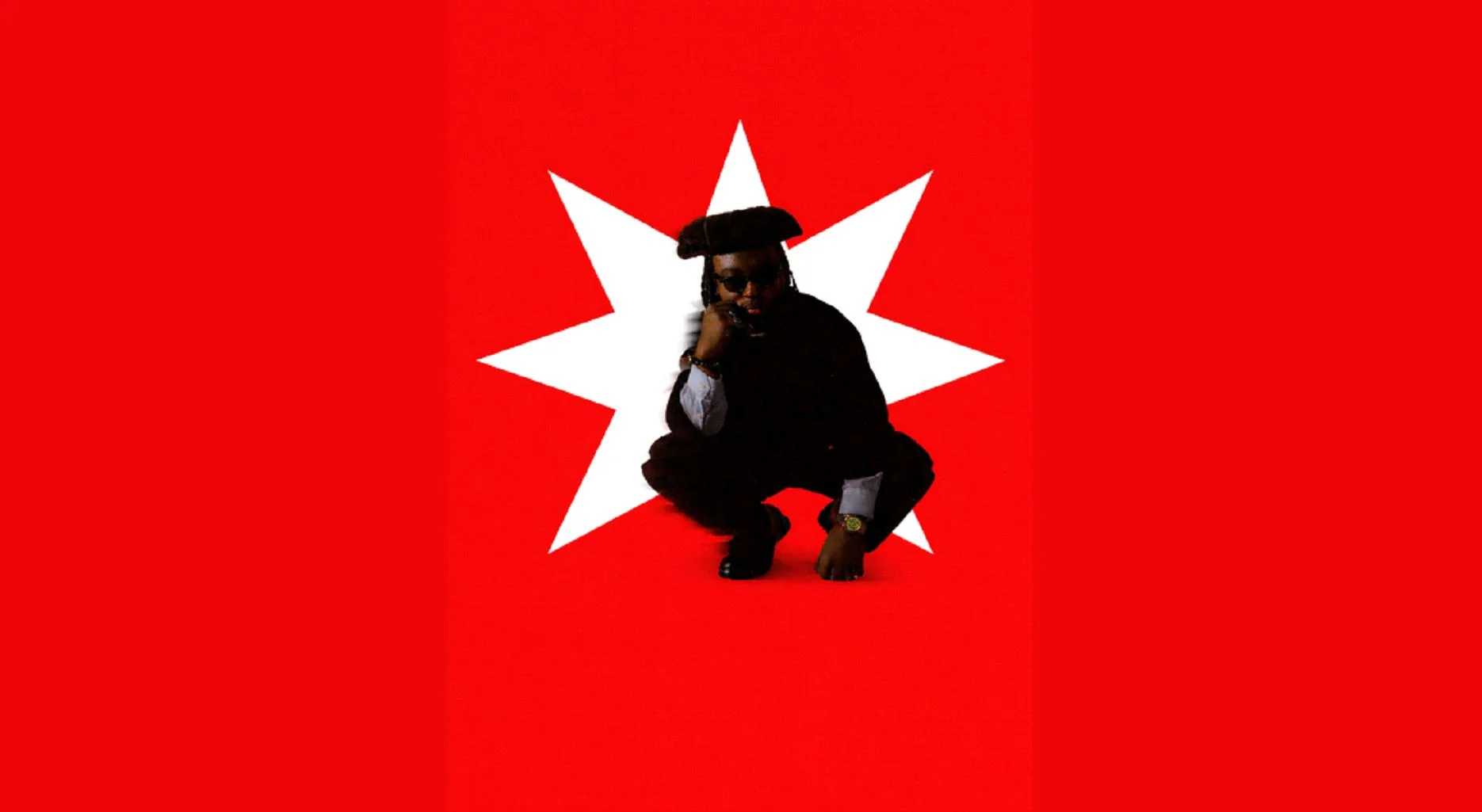
Helado Negro: No! The album cover is by Robert Beatty. Who is a great artist, visual artist, designer. He's also a musician as well. And he's based out of Lexington, Kentucky. Yeah, he's amazing. And what we were referencing was there's an artist, a designer from like the 80s, his name was Limonious. And Limonious did a lot of art for like reggae covers. Like historically did these illustrations that are very specific of like people and they're like these caricatures and they're amazing. And I always loved all that Limonious art. And that became really popular in a lot of different respects, there's like a scene. And so we were like referencing a little tiny bit of Limonious in there with like that speaker kind of like blasting through the paper of the circuit board. So, it's a little bit of like a touch of that, but also, kind of like our own world too. Just what Robert and I had been discussing.
Abi Clark: Yeah, the whole, the visual components that you made, the music videos, and the world of music all feel super connected, like you're walking into a world. Is it fully electronic? Because I know you're also an instrumentalist as well.
Helado Negro: It's so interesting. There's nothing that I did on this that I would say is different than I would do in any other record. I probably played like Rhodes somewhere on this. And I'm trying to remember the other things that were played on this off the top of my head. But more than anything, I think it's really interesting because I've always made in the same way. I've always composed with computers and samplers and things like that. I think the thing that feels different about this is that the tempo is a lot higher. And so because the tempo is higher and because there's like the drum machines and the synthesizers feel so much more up front, because of that, I think your perspective skews from this being some kind of laid back vibe to being like, this is dance music, which was the intention, was to make it feel dancier. But it would be interesting, if this was all, if it was like guitar, bass, and drums, would it feel more like that? It is interesting. Yeah. So, I don't even know where I'm going with this other than just like, it's no different than anything I've ever done except the tempo's higher.
Abi Clark: Well, because you're inviting folks to dance through everything. And that's the energy that you bring to your live concerts as well. Have you felt that with the audience, like that release? Because when I'm listening to this album and we get to the end where you're inviting people to fight for change, to hold on, it does feel like the chaos turns into a positive. And obviously, like I know that's what you're inviting people to bring in. So you're probably bringing that energy to the concerts as well!
Helado Negro: Yeah. I love dancing on stage. And that's something that I really enjoy doing. And I try to invite people to do it. Because I feel like sometimes it's like we're all a little like self-conscious of how we move in space, whether it is like a dancing environment or an office environment, whatever, you know what I mean? We're always so self-conscious of how we're being perceived, especially with phones around and stuff like that. It's like nobody wants to dance because then you're going to be like the meme! You know what I mean? You're like, damn, I don't want to be the meme!
Abi Clark: No! It's so true!
Helado Negro: I just want to have a good time. And yeah, I feel like that kind of stuff has ruined like these really sweet and sincere moments of expression, and I love that because I grew up dancing my whole life.
Abi Clark: We’ve got to create those spaces again, and that ability to be vulnerable through your own absorbing of the music, of the artwork. Like that's something that I feel like we need to get back to in general. And so, I appreciate that you bring your own vulnerability out through your music and invite others to do just the same. I feel like that's something that the art community and the human community really needs to embrace again.
Helado Negro: Yeah, I think people embrace it for sure. I think people are here and people have always wanted it. So, I think people dance. It's just, you know...
Abi Clark: That invitation sometimes can make all the world of difference.
Helado Negro: I think that's it.
Abi Clark: Well, I'm really excited that this is out and that people are able to absorb it just like I have. And one thing that I feel through the fact that it's kind of like an emotional journey and you're processing through the album, (is that) the end, it feels complete, but it almost feels like you still have to move forward, you know? And so I think that was beautifully captured as almost like a call to yourself to continue the work on your own.
Helado Negro: Yeah. What's the last song? “Don't Give It Up Now”?
Abi Clark: “Don't Give It Up Now”, yeah.
Helado Negro: Yeah, it's like that moment where you're hanging on by a thread and like anything can kind of set you off or knock you off course more than anything. And I think it's like, the little like repeating record in your head that's like, don't give it up now. You know what I mean? I think it's important, just because, like I said, it's not so much about being like uber and crazy positive about everything in the world. It's just trying to like, you know, be real with what's good with you and what's good for you.
The answer to his original meditative question: What is the last sound on earth? He says “The last sound is love…That’s the sound I hope to hear.” Check out his latest musical and visual work and upcoming shows at Helado Negro.
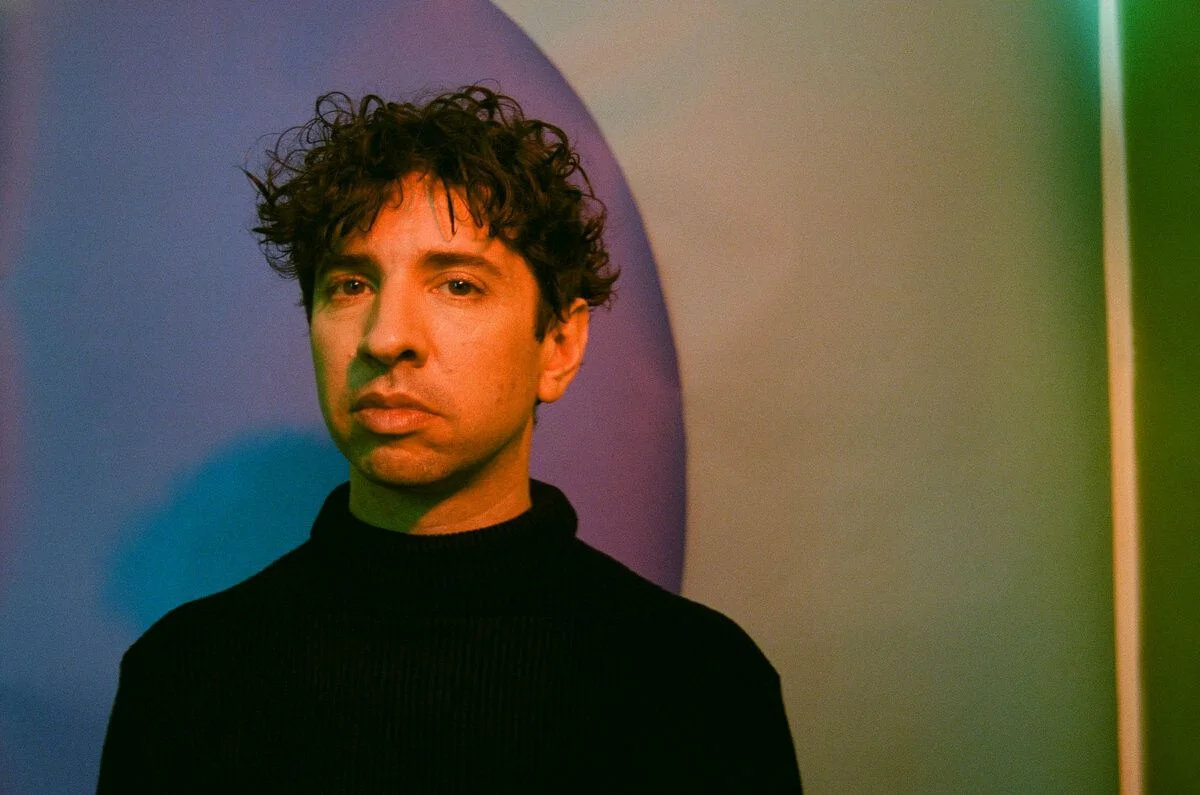
Photo credit: Will Ornberg, Multimedia Produrcer for Radio
Stay connected to KUVO’s programs and our community! Sign up for the Oasis E-News today!