Take 5 with Langston Hughes II

Did you ever wonder what your favorite musicians are listening to, or the recordings that influenced them? “Take 5” is a look at the music that inspires and excites them. It’s difficult to choose ONLY five recordings!
Langston Hughes II: My 5 Most Influential Albums
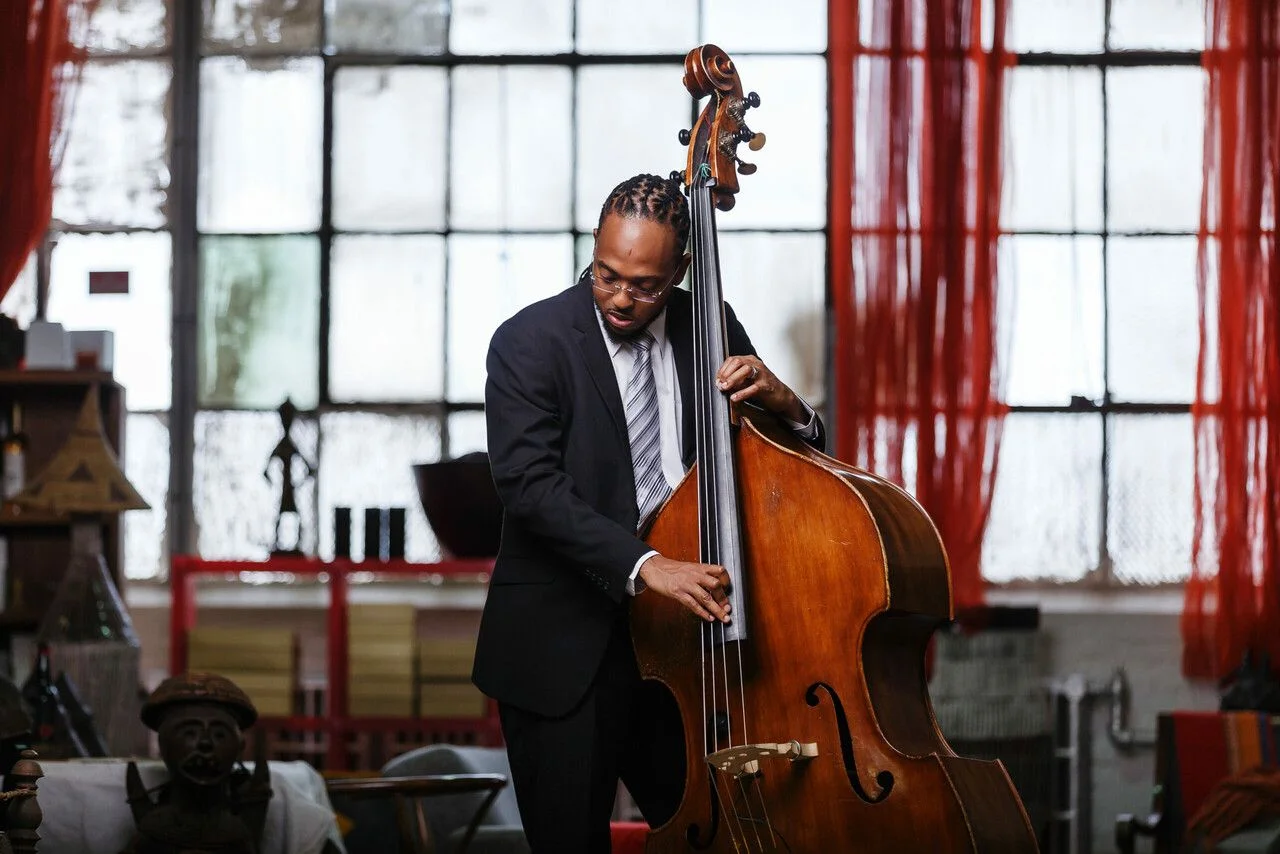
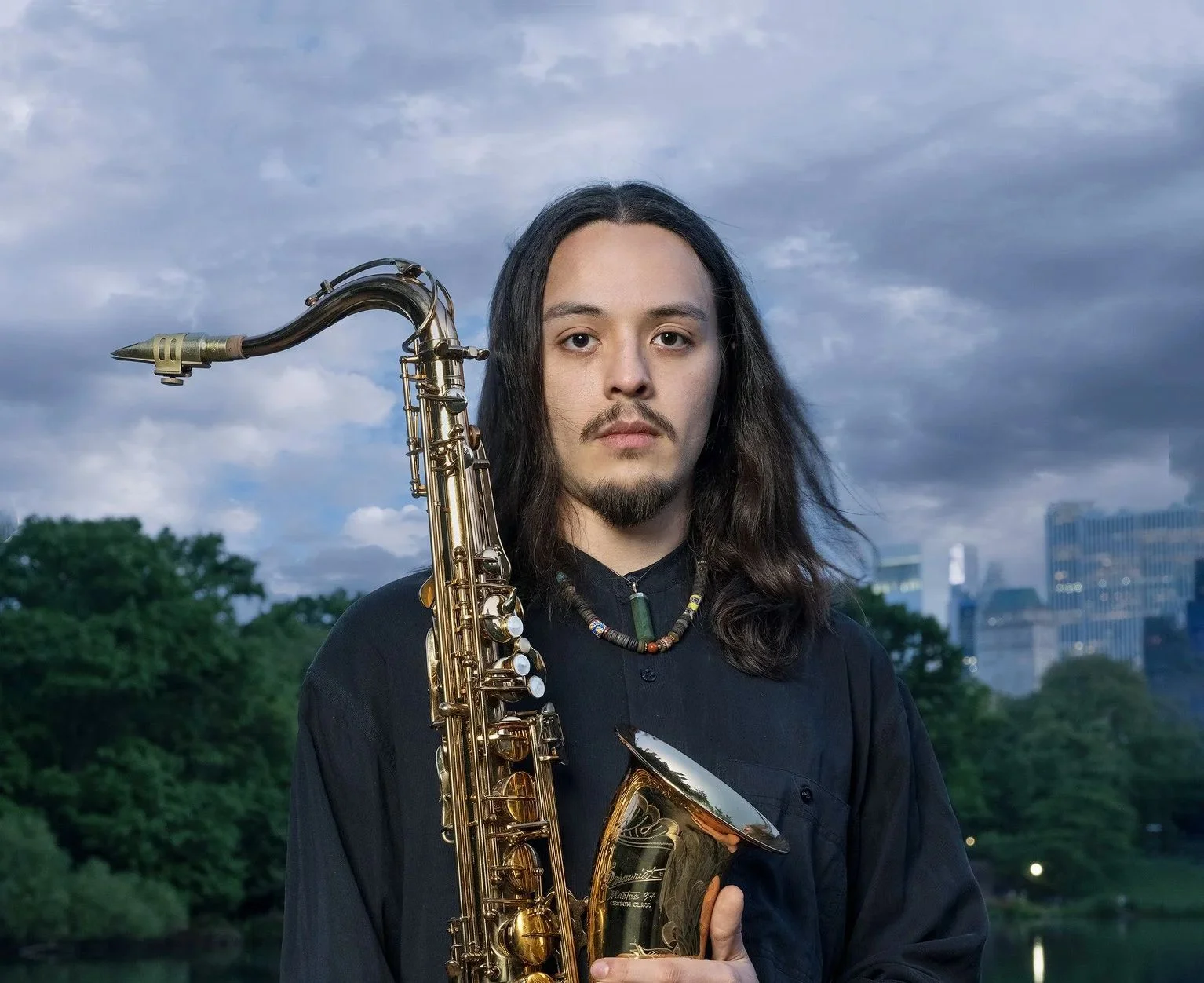
Being named after one of the greatest Black poets and writers of the Great Harlem Renaissance is a tall order to live up to for any young creative. Washington D.C native Langston Hughes II, however, rises to the occasion and at twenty-four is an established alto saxophonist and woodwind player, a composer and educator. He recently earned his Master’s degree from The Juilliard School of Music. He’s also a graduate of Howard University, where he was mentored by saxophonist and educator Charlie Young III and pianist Cyrus Chestnut. Langston toured with Wynton Marsalis and the Jazz at Lincoln Center Orchestra, Rufus Reid, Jazzmeia Horn, Orrin Evans, and Nat Adderley Jr., and Ulysses Owens Jr., and his Generation Y Band. In 2022, He was also selected to participate in the prestigious Betty Carter Jazz Ahead Residency.
“As you can imagine, narrowing this list down to just five albums feels almost impossible,” said Hughes. “I truly believe we’re a combination of every piece of music we’ve ever heard, every musical situation we’ve been placed in, and every influence we’ve absorbed along the way. Still, I’ve chosen these five albums because they each left a lasting imprint on me. They’re not all jazz records, but every one of them sparked something deep inside—whether it was a chemical reaction in my brain, an emotional tug at my heart, or even a physical response in my body. These projects made me stop, listen differently, and sometimes even rethink what music could be. If you aren’t hip to some of them, I hope you’ll take the time to check them out.” — Langston Hughes II

Wynton Marsalis – Live at the House of Tribes (Blue Note)
For me, this record captures the true spirit of jazz. The band is world-class, with heroes of mine like Wynton Marsalis and Wes Anderson on the front line, but what stands out most is the energy. The album is informal, alive—you can hear the audience’s involvement, the handclaps, and the real-time dialogue between the musicians and the crowd. It’s unpolished in the best way. Listening makes you feel like you’re right there in the room, part of a collective moment.

Joel Ross – Kingmaker (Blue Note)
Joel Ross is, in my opinion, one of the most dynamic voices of my generation. I fell in love with his music because it feels so honest—original yet deeply rooted in craft. Somehow, he makes the vibraphone sing like a human voice, with an intimacy and warmth that’s rare. His sound carries a sincerity that immediately drew me in. And then, the band—with Immanuel Wilkins, Jeremy Dutton, Jeremy Corren, and Benjamin Tiberio—had such a unique collective sound. They weren’t just playing music; they were building a world together. That kind of chemistry is something I think is underappreciated but so essential.

John Coltrane – Crescent (Impulse! /Verve)
I actually discovered this album only a few years ago. I’d always heard people reference it, but I never sat down and listened until one night—and it gave me chills. I’m a musician who leans heavily on instinct, and the very first phrase lit that instinct up. People often talk about Coltrane in terms of his harmonic exploration, but for me, it’s always been about his sound. The way he makes a single note resonate with so much urgency and spirit is unmatched. From the first note, you instantly know it’s him. That kind of individuality and conviction is something I’ve always admired and strived toward.

Songbird – Eva Cassidy (Blix Street Records)
Eva Cassidy’s voice has always mesmerized me. There’s a purity and transparency in her sound, yet it carries such emotional weight. This album taught me how powerful simplicity can be—just playing or singing a melody with deep emotional content, without unnecessary embellishment. Every time I listen, it forces me to pause, breathe, and simply be present. It’s music that stops time, and that’s a gift not many can give.

Richard Smallwood with Vision – Live in Atlanta (Verity)
I grew up in the Black church, steeped in its rich legacy of blues, spirituals, and gospel. I’ll never forget witnessing how a simple melody could shift the entire atmosphere of a room. That was powerful. When I began playing jazz, I always carried that goal with me: to create that same kind of shift. Whether through sound, approach, or presence, I wanted my music to touch people the way gospel touched a congregation. This album embodies that feeling—it’s filled with fire, reverence, and the kind of spirit that moves people from the inside out.

Bonus (5 is hard!) Abbey Lincoln – Abbey Sings Abbey (Verve)
My obsession with Abbey Lincoln started when I was asked to learn “Learning How to Listen” for a gig. I knew her name, but I hadn’t really explored her music until then. From that moment on, I was hooked. Abbey always sounds like she’s telling a story—through her writing, her phrasing, her tone. Listening to her feels like sitting at my grandmother’s feet as she shares stories from her childhood: intimate, warm, and full of wisdom. There’s a depth in her delivery that goes far beyond the notes—it’s life, lived and retold through music.
IG: instagram.com/langstonhughesii/
FB: facebook.com/langstonhughesii
Spotify: spotify.com/artist
YouTube: youtube.com/channel
Stay connected to KUVO’s programs and our community! Sign up for the Oasis E-News today!