Live & Local: Miguel Espinoza Fusion

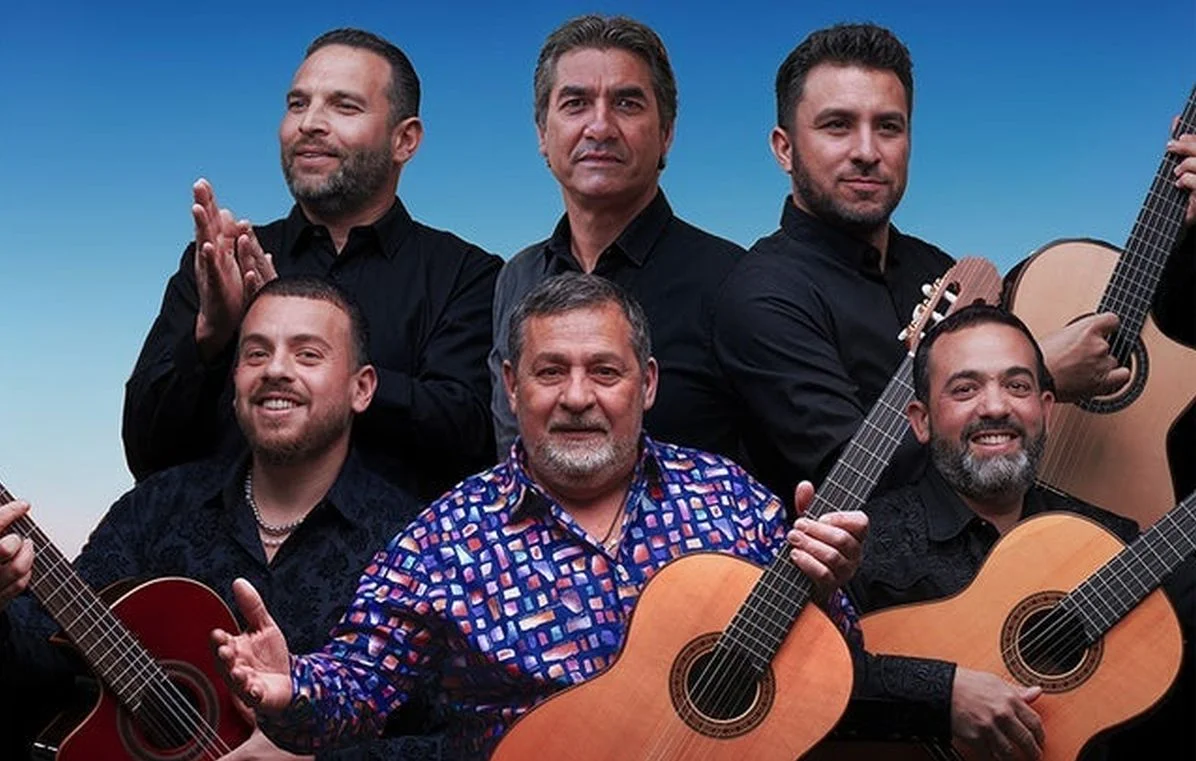
For a full plate of flamenco and its influences, listen to The Miguel Espinoza Fusion, a collaboration that blends the original Spanish genre with its classical and Indigenous cousins, including jazz. With roots in the San Luis Valley, Espinoza has been dazzling, swinging and engaging audiences in Colorado for years, and his next album is soon to be released. Espinoza and bandmate cellist Dianne Betkowski visited The Morning Set to share a couple of tracks, demonstrate some of their rhythms, and instruct us on how exactly to get to Carnegie Hall.
Miguel Espinoza Fusion performs at Dazzle on Aug. 22.
This portion of the interview above has been edited for length and clarity:
Steve Chavis (reacting to the track “Camino Desconocido”): See if I had an extra pair of hands, I could do all that. I could play, I could clap, I could hit the guitar with my elbows. It's full body participation from Miguel Espinoza and his fusion outfit, and he's in the studio here with Dianne Betkowski, welcome to KUVO, Miguel!
Miguel Espinoza: Thank you. Gracias.
Steve: We get to be reintroduced to your Denver story and how you got to call our fair city your home.
Miguel: Well, my family's been in Colorado for many, many generations. We're from the San Luis, New Mexico area and…
Carlos Lando: The soul of Colorado, man.
Miguel: Yeah, yeah, bro. It’s got a lot of ancient roots.
Steve: And modern music roots because Freddy Rodriguez is from the valley too. So man, you guys are doing it. You've been playing this fusion of flamenco music for a while here in town, and how do you describe it? If people go, do they expect dancers dancing on the tables? Is it a listening experience because it's so physical and visceral the way you've taken on flamenco guitar playing?
Miguel: Well, thank you. Well, it's a boiling vat of tradition. My first love was traditional flamenco, and I went to Spain and lived amongst the gitanos, the gypsies, just sponged in my element. In 1995, I hooked up with Silver Wave Records and Béla Fleck and Kayak Art and Howard Levy, and I fused with a lot of different musical styles and with Dianne now who's a classically trained cellist. So it's been a wonderful journey, bro.
Abi Clark: How did you and Dianne meet? How did y'all get your journey started?
Dianne Betkowski: So I had started a unique concert series in Denver called Denver Eclectic Concerts, where I juxtaposed classical and non-classical music together on the same programs. And then I had people collaborate. They could improvise, they could compose, they could arrange, and that was the hallmark of my series. And I gave that up to homeschooling and raising three kids. It was very difficult to do. I was composing music, I was promoting the concerts. I was hiring all the musicians. I was doing everything, everything. And so then I was asked to start another concert series later that was based on that same, same structure. And so I called Ron Sole Camacho and said, you guys want to play on my series again? I have a new one. And they said, we don't live in Denver anymore, but you really have to get in touch with Miguel Espinoza. They just said he was an amazing musician. So I called him and when he found out that I was a cellist, he said, I'll play on your series, but can I come over? Let's make music together. And so that's how it started.
Steve: It's really, the classical element, is part of the fusion that you're playing in the name of your band, Flamenco Fusion, right?
Miguel: Yeah. They (classical musicians) bring over the traditional structure and everything. So nothing is watered down. Everything is in pure content. And when Dianne brings in the classical, it's with the classical tradition.
Abi: I want to hear about this new music that we've been listening to below us. How did this start? Is this a brand new project?
Miguel: Yeah. The piece that is playing now is called “Camino Desconocido” which means “unknown path,” and it's a bulerías rhythm as the foundation, but it's kind of in the tradition of like Astor Piazzolla because it's, it's very episodic and there's these different movements that develop.
Carlos: Tell us about what you just described. The bulerías.
Miguel: Yeah, bulerías is a 12-beat cycle, and the accents are on 12, (clapping) starts on 12, 3, 6, 8, 10. So that's the rhythmic structure.
Abi: So these singles release any moment now, and the album will release later this year or next year?
Dianne: The album will probably be released by sometime in September. I'm imagining early September. And the singles at any moment in the habit of releasing singles and then an album.
Steve: Yeah, on the 45 on the jukebox.
Dianne: And also I wanted to mention you were liking him showing you the bulerías pattern with the- (claps) we do that on college campuses also. We do residencies at universities and colleges across the country, and we show these students how to do that. So they learn to participate and to join.
Abi: To internalize the beat.
Dianne: Exactly. Yeah.
Steve: I see the University of Northern Colorado on your upcoming fall schedules. So get on there, make an appointment. Yeah, you need to practice. That's what you need. You need lessons with these people over here. Miguelespinozafusion.com and Dianne Betkowski, thanks for hanging out with us.
Stay connected to KUVO’s programs and our community! Sign up for the Oasis E-News today!